
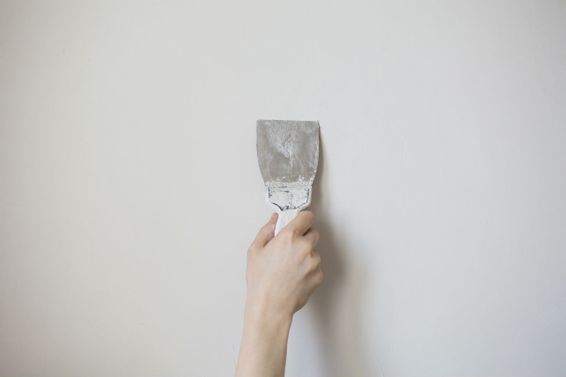
If you’ve lived through a few Montreal winters, you’ve seen it, a hairline crack that wasn’t there in October, a seam that shows up again every spring, or a ceiling line that seems to stretch with the cold. That doesn’t automatically mean your home is falling apart. A lot of it comes down to movement, temperature swings, indoor heating, and the way older buildings settle over time.
The bigger question most homeowners end up asking is simple, when you’re repairing or renovating, should you stick with plaster or switch to drywall? The answer matters because the wrong choice, or the wrong repair method, can lead to cracking that keeps coming back.
Plaster vs. drywall, the real difference (beyond the surface)
Plaster is a harder, more solid wall finish, common in older Montreal duplexes and triplexes. It can feel denser, often helps with sound, and gives a sturdy “old home” vibe. Drywall (gypsum board) is the modern standard, lighter, faster to install, and generally easier to modify when you’re running new wiring, adding insulation, or reshaping rooms.
Neither is “better” in every case. The best material is the one that fits the building, the budget, and what you’re trying to achieve.
If you’re comparing options for repairs or a full refresh, you can see the types of work involved on our plastering, painting & drywall services page.
When plaster is a great choice in Montreal homes
Plaster is worth keeping, and repairing properly, when:
- You’re in an older home and most walls are already plaster
- You want a durable surface that can be brought back to life with a skim coat
- You’re dealing with minor cracking that’s cosmetic, not structural
- You care about preserving the character of the space
The key is doing repairs the right way. Slapping on filler and painting over it might look fine for a month, and then the crack reappears right when the heating season kicks in. Good plaster repair is all about prep, bonding, and finishing so the repair blends and holds.
When drywall makes more sense
Drywall can be the smarter move when:
- Walls are badly damaged or uneven and you want a clean reset
- You’re opening up rooms, re-insulating exterior walls, or doing major electrical work
- You want predictable, consistent surfaces for modern finishes
- Time matters and you need a faster install
Drywall also plays nicely with renovations where multiple trades are involved. If you’re planning bigger changes, kitchens, bathrooms, layout updates, drywall often fits naturally into the scope. For broader projects, our home renovations page gives a good overview of what that process can look like.
Why the choice affects cracking
Here’s the part homeowners don’t hear enough, cracking isn’t just about the material, it’s about movement and how the wall system handles it.
Plaster is harder and more rigid. That strength is great, but it can show fine cracks when the building shifts or humidity changes. Drywall has seams and joints, if those joints aren’t taped and finished properly, or if framing shifts, you’ll often see lines reappear along those seams.
In Montreal, the combo of dry indoor air in winter, humid summers, and older framing can create a steady cycle of expansion and contraction. That’s why the repair method matters as much as the material.
What you should do if you’re seeing cracks right now
A few practical rules:
- Hairline cracks that come and go seasonally are usually cosmetic.
- Cracks that widen, spread quickly, or show staining could point to moisture or movement that needs attention first.
- Painting without proper prep is a short-term fix. The finish will only be as good as what’s underneath it.
If you’re unsure whether you need a simple repair, a skim coat, or a bigger rebuild, the safest approach is to have someone look at the pattern and location of the cracking, not just the crack itself.
Choosing what’s best for your home
If your place still has lots of original plaster, keeping it can be a solid investment, as long as repairs are done properly and finished professionally. If you’re mid-renovation and rebuilding sections anyway, drywall can be clean, efficient, and reliable. Either way, the goal is the same, walls that look great now and stay that way after the next freeze-thaw swing. If you want help deciding between plaster repair, drywall replacement, or a full repaint, start with our plastering, painting & drywall services and we’ll point you in the right direction.