
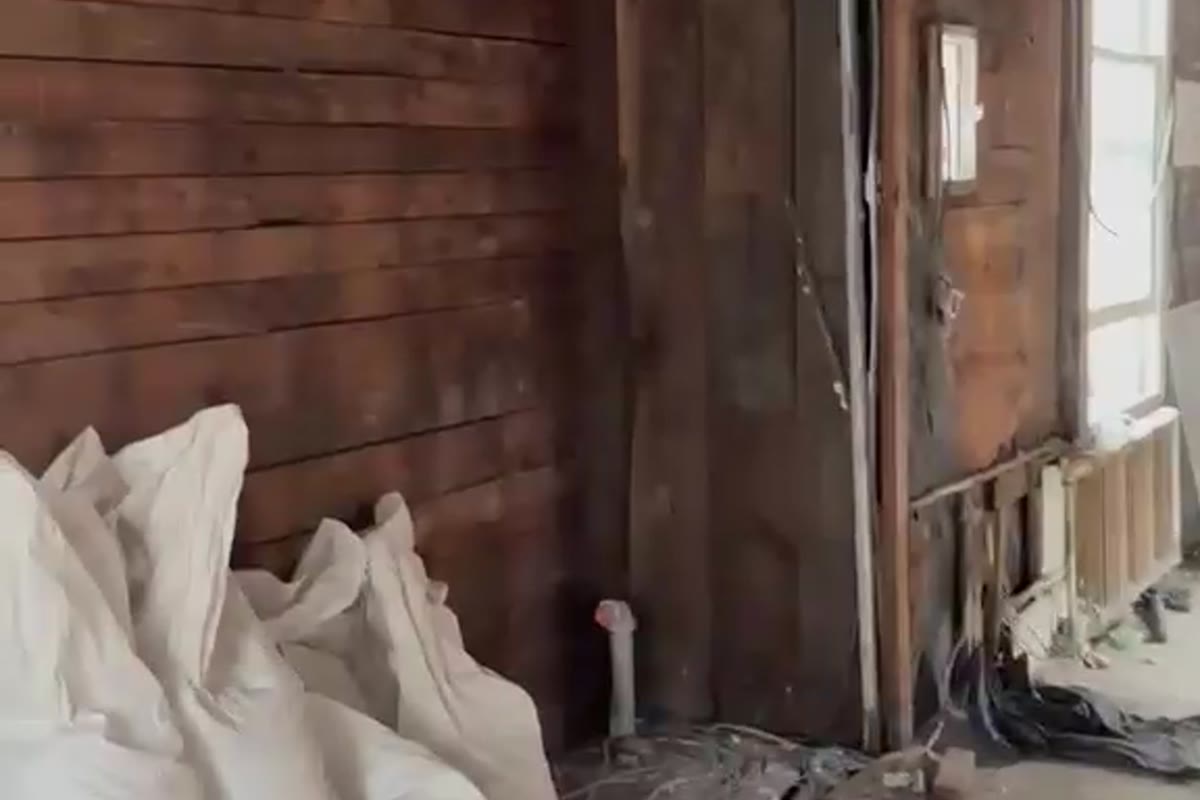
Project spotlight
150 years old. Handled with care.
Some buildings in Montreal were standing before the first electric streetcar ran down its streets. This fall, our crew took one of them down to its bones: a full interior demolition of a building that has been here for about 150 years. It is the kind of job that reminds you why the trade is called a craft.
In 30 seconds
- Old Montreal buildings mix eras: original horsehair plaster is harmless, but repairs from the 1920s to the 1990s can contain asbestos.
- That is why we open exploration holes in different parts of the building and have every sample tested before demolition.
- Walls only come down once we know what is inside, with the right protection, to keep everyone safe.
Behind the plaster
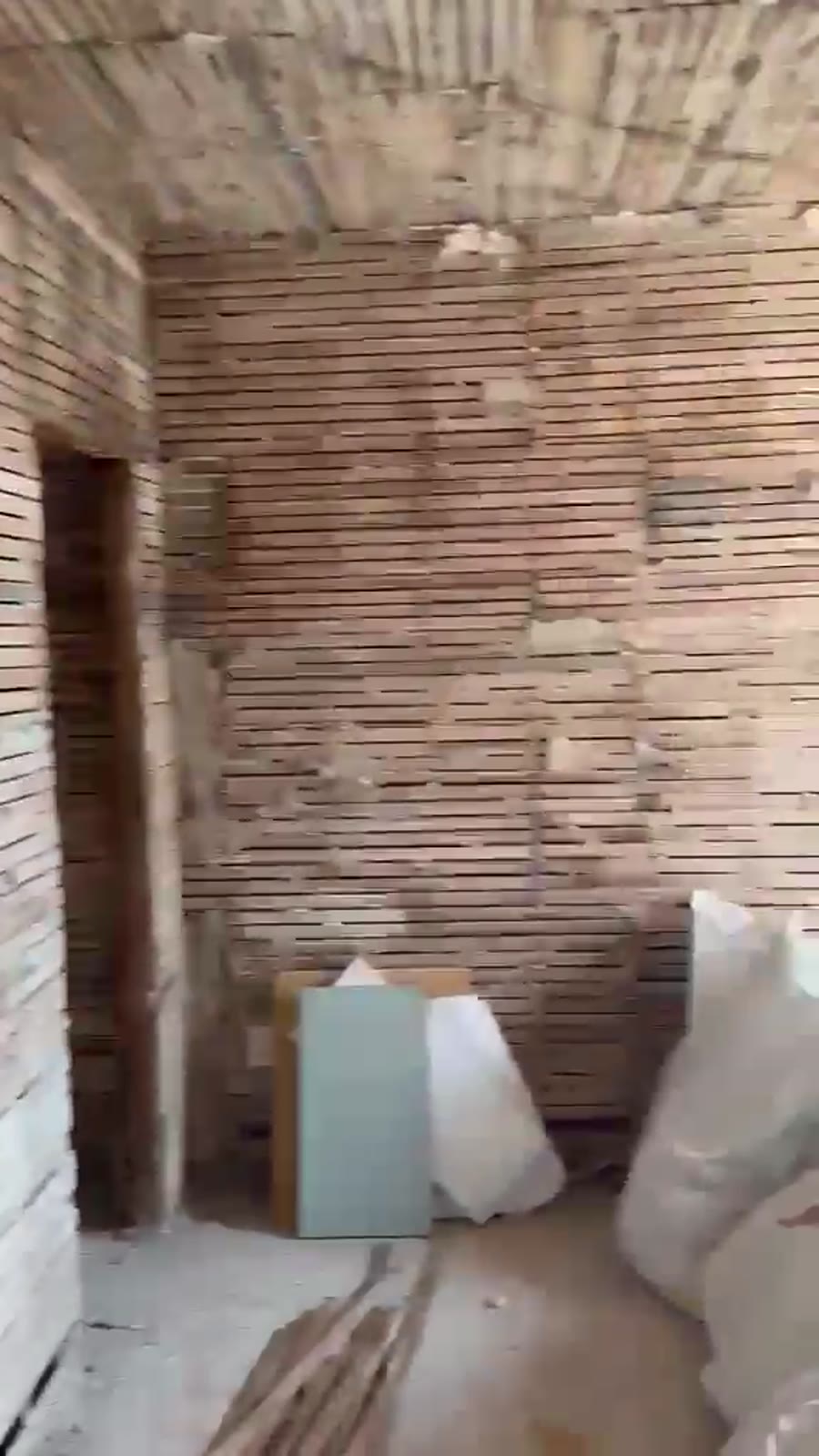
Older Montreal buildings were not built with drywall. Their walls are layers: paint over plaster, plaster over thin strips of wood called lath, and lath nailed to rough timber framing. Pull it all off and you see how the building was put together by hand, one board at a time.
You also see its history. Most old buildings have been renovated several times, and each generation left something behind: a doorway that was moved, a wall that was patched, wiring from three different decades. Part of our job is reading those layers before we decide what stays and what goes.
Why we test for asbestos first
A building this old is a mix of eras. The original plaster from the 1800s was often mixed with horsehair to hold it together. That is harmless. But many buildings were renovated in the decades that followed, and asbestos was widely used in Canadian building materials from about the 1920s until the 1990s. It was only fully banned in Canada in 2018.
So one room can be original horsehair plaster, while the next was patched in the 1960s with materials that contain asbestos. Insulation, joint compound, flooring and pipe wrap from those years can contain it too. In Quebec, the CNESST treats flocking installed before February 15, 1990 and heat insulation installed before May 20, 1999 as likely to contain asbestos unless a test proves otherwise.
That is why we never test just one spot. Before any demolition, we open small exploration holes in different parts of the building and have the samples analyzed. Only when we know what is in each area do we start taking walls down, with the right protection where it is needed. It keeps our crew, your family and your neighbours safe.
Taking it down carefully
On a building this old, demolition is not about speed. Here is how we approached it:
- Test first. Exploration holes and asbestos tests in every area, before anything comes down.
- Protect the structure. We open walls in stages and add temporary support wherever a wall might be carrying weight.
- Control the dust. Debris is bagged as we go, and rooms are sealed off so the rest of the building stays clean.
- Keep what’s worth keeping. Solid old-growth timber is often stronger than new lumber. We save and reuse it whenever the engineer agrees.
5 tips if you own an older home
- Expect surprises, and budget for them. Keep 10 to 15% of your budget aside for what you find behind the walls.
- Open one wall before you plan the whole job. A small exploratory opening tells you a lot about the framing, wiring and plumbing.
- Check your permits. Most Montreal boroughs require a permit for structural work or a change of layout. A good contractor will tell you which ones you need.
- Don’t hide old problems. Water damage, sagging floors and old wiring should be fixed before new drywall goes up, not after.
- Hire a licensed contractor. Ask for the RBQ licence number. Ours is 5883-8525-01.
Old buildings have stories. We read them before we pick up a hammer.
We filmed the whole demolition. Watch the reel on our Entertainment page, and see more of our work on the Projects page.
Own an older home or building in Montreal, the West Island or Vaudreuil?
Request a quoteCall 438-866-2436 · RBQ 5883-8525-01